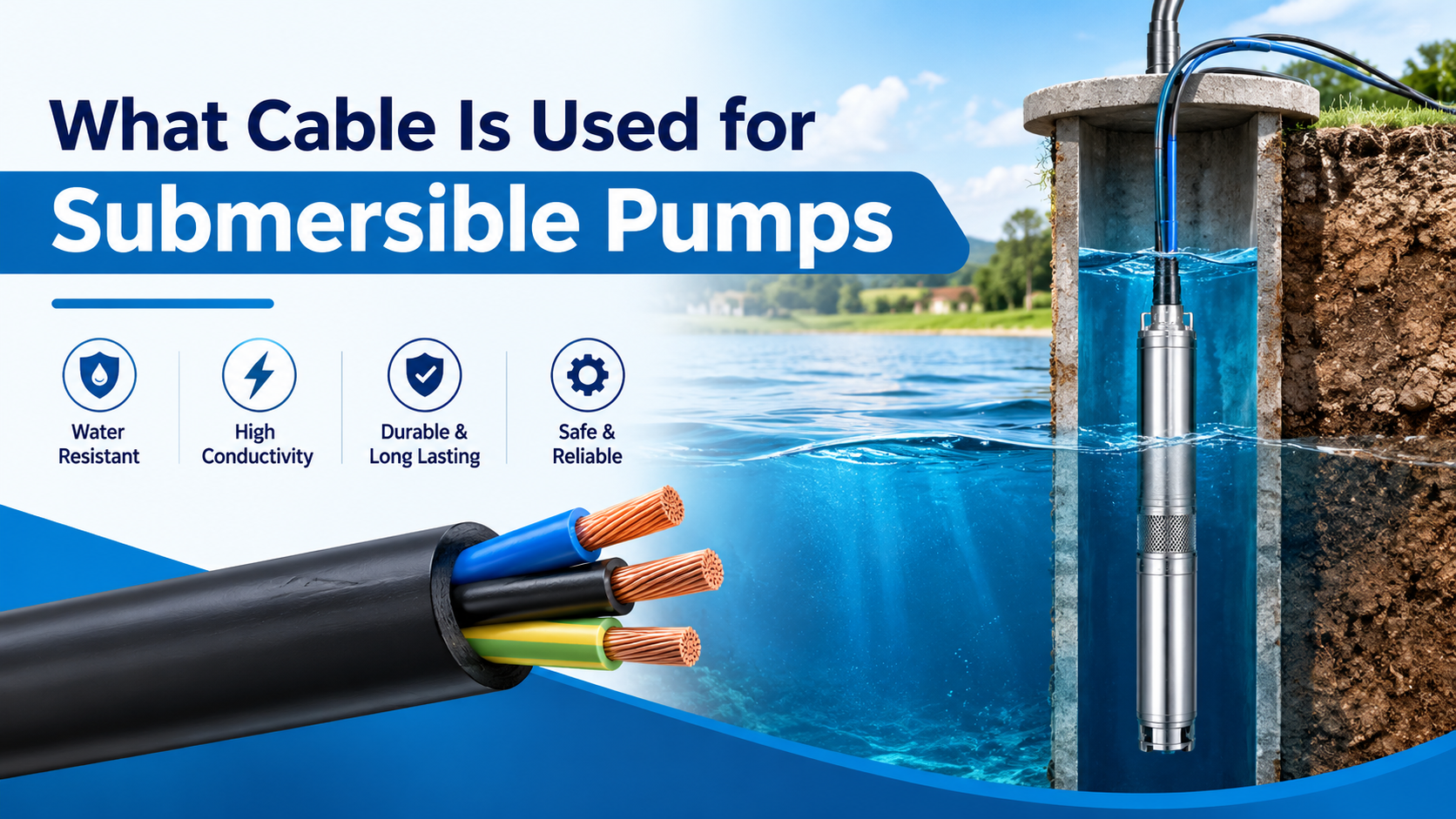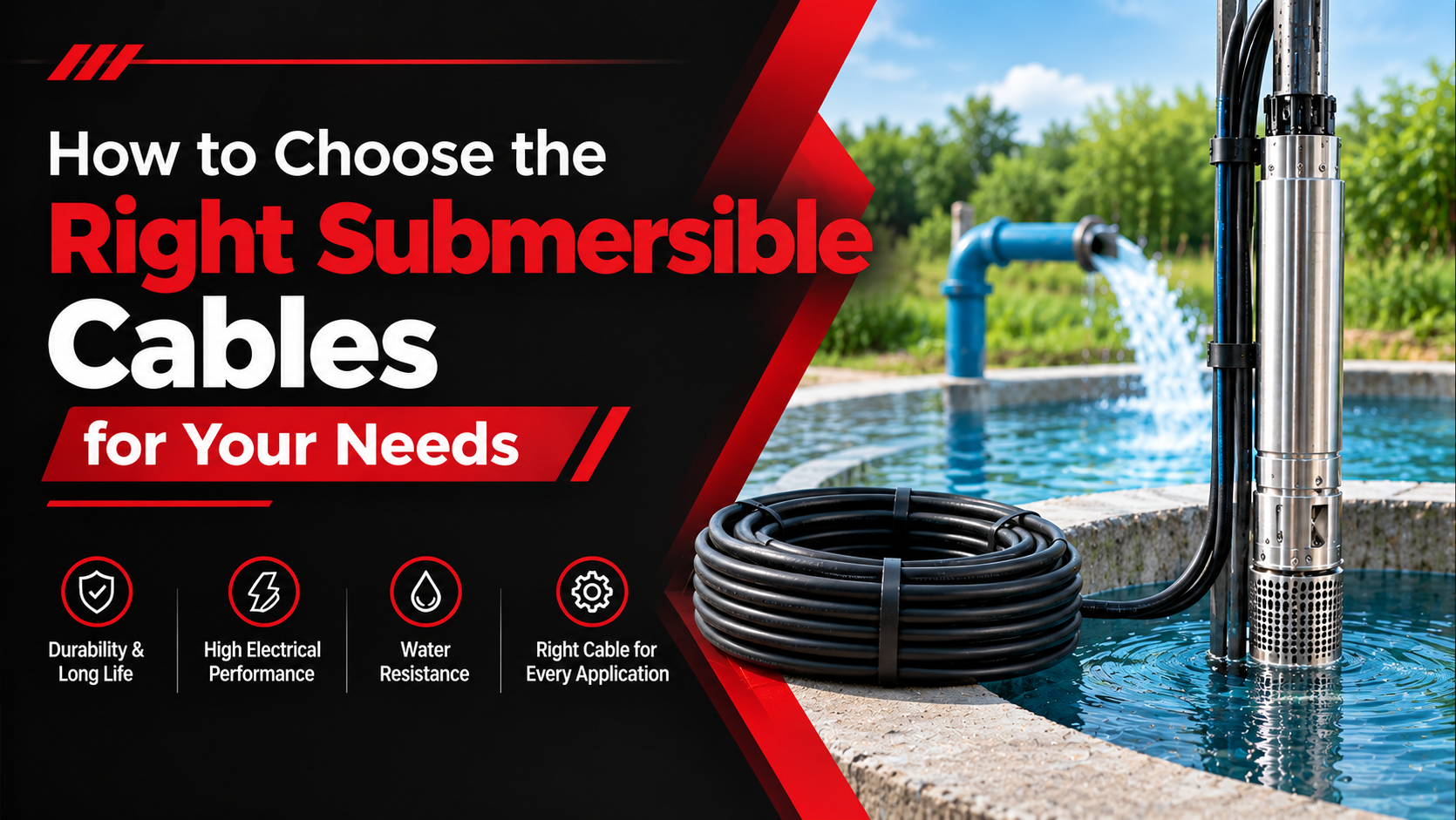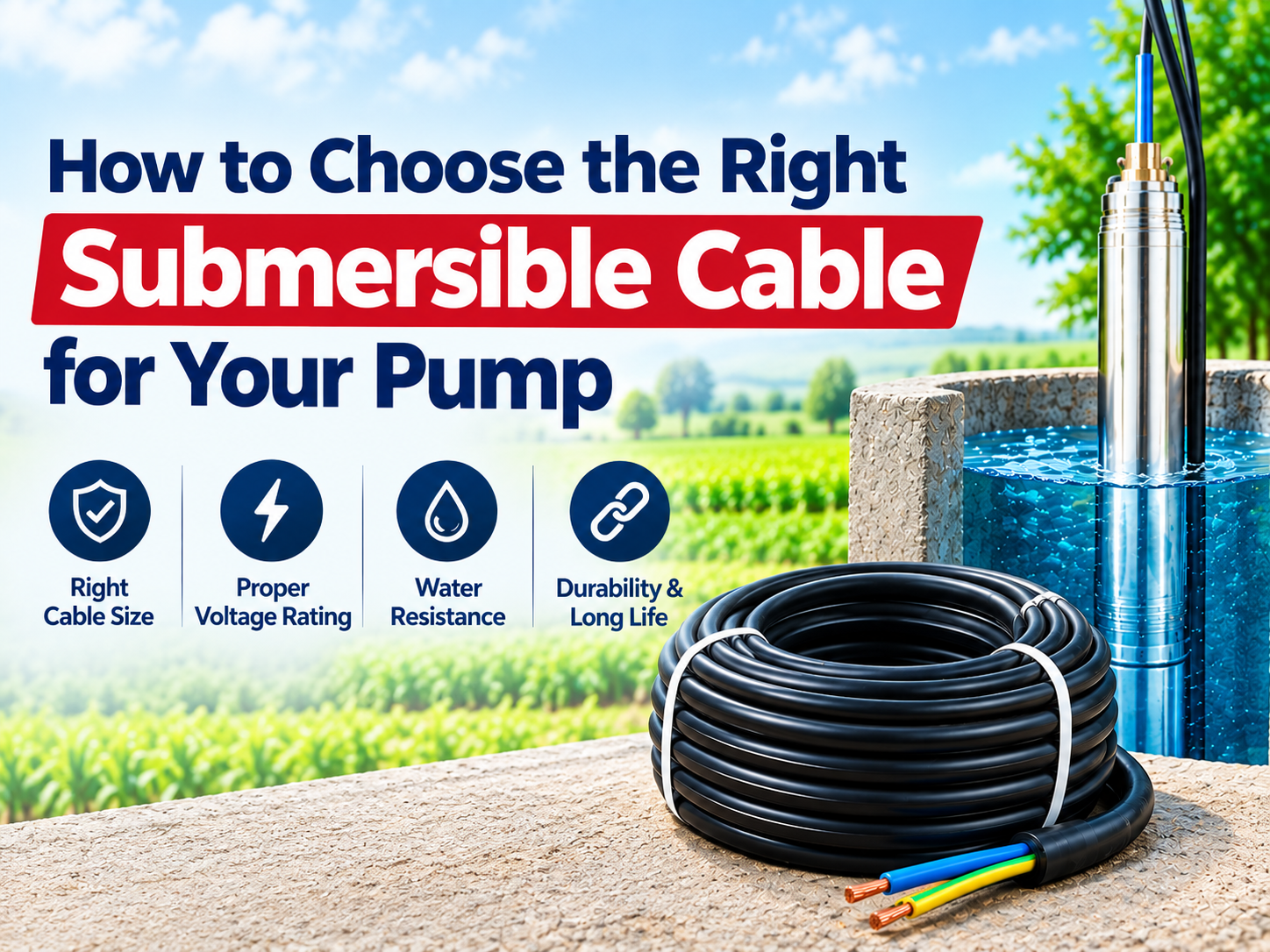
Pumps are very essential in residential, agricultural, industrial, and commercial buildings. Most of the pumps operate below the level of the water and require a special type of wire that cannot be used by regular electrical wiring due to high risk involved. Submersible cable is used to connect the power source to the equipment, in this case, submersible pump, and ensures efficient delivery of electricity under difficult working conditions. It is designed in such a way that makes it appropriate for use.
One of the companies to look at while considering different types of cables for the use in electrical applications is Neon Cables. It is important to have knowledge of how Submersible Cables operate to enable buyers to choose the right cable for their equipment.
What Makes a Submersible Cable Different?
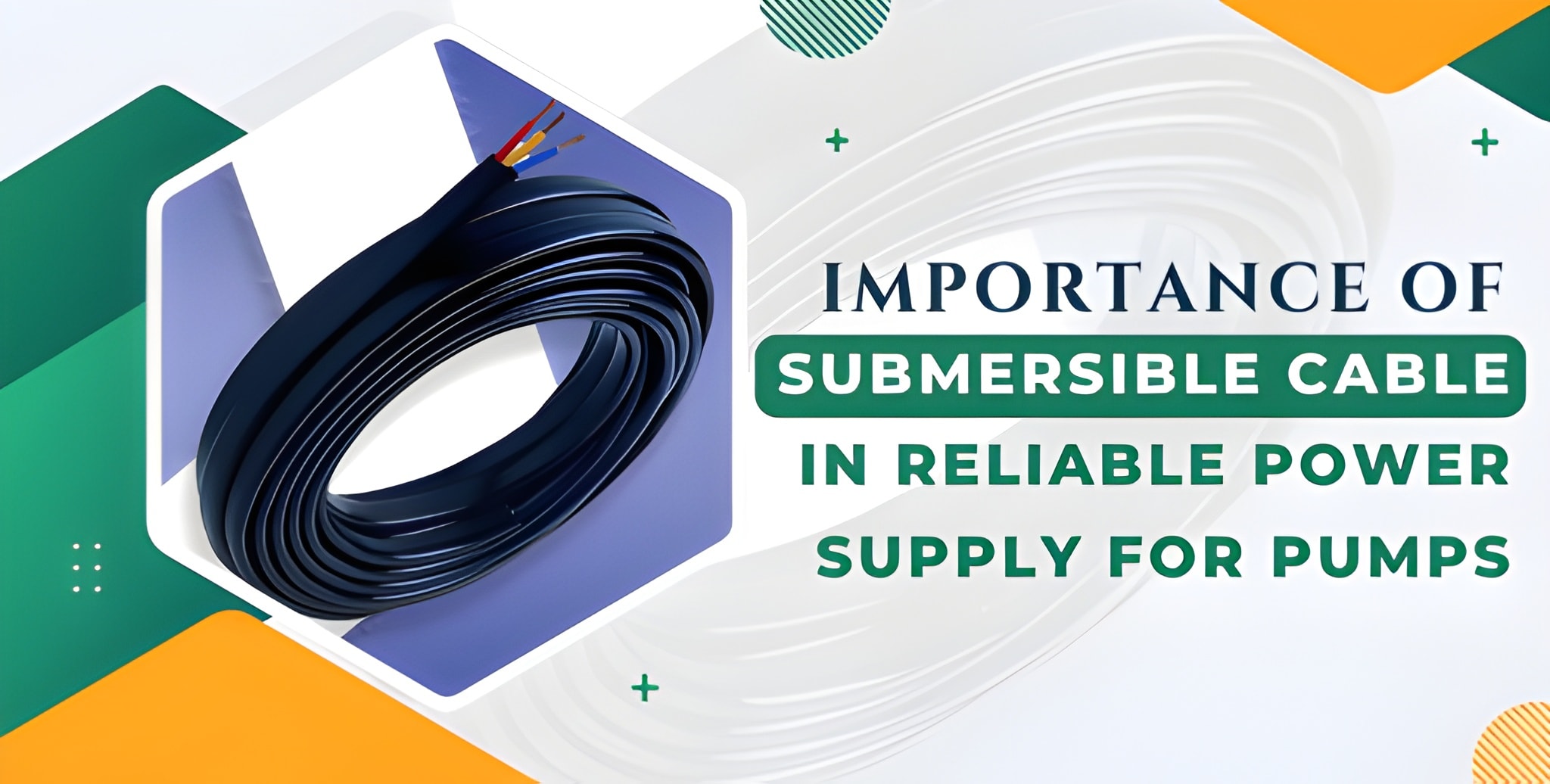
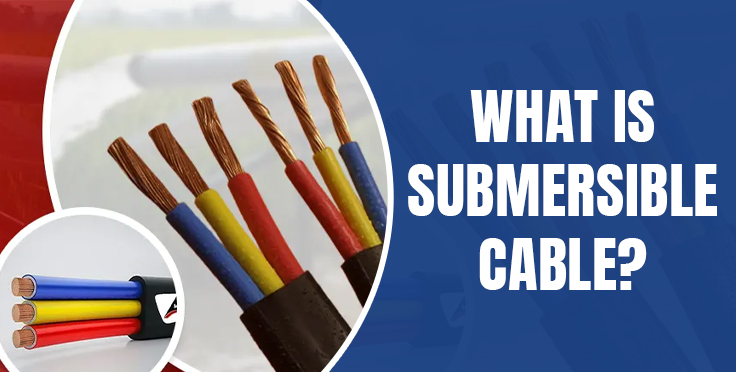
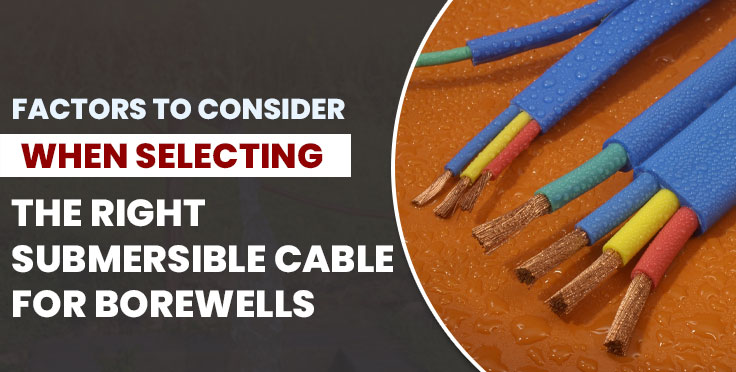
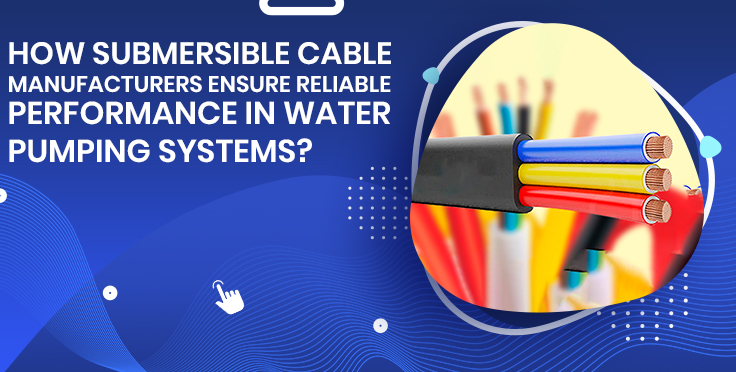
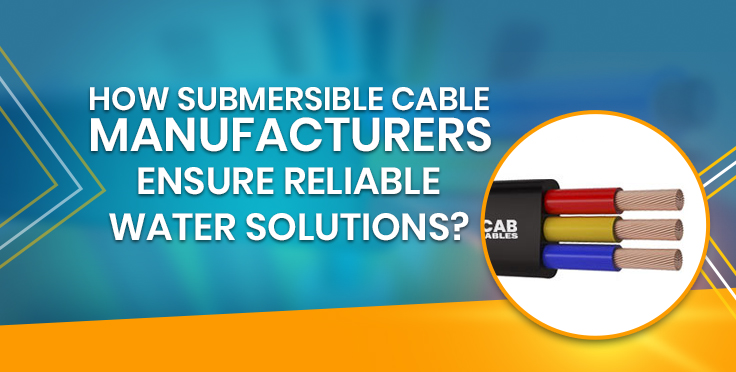
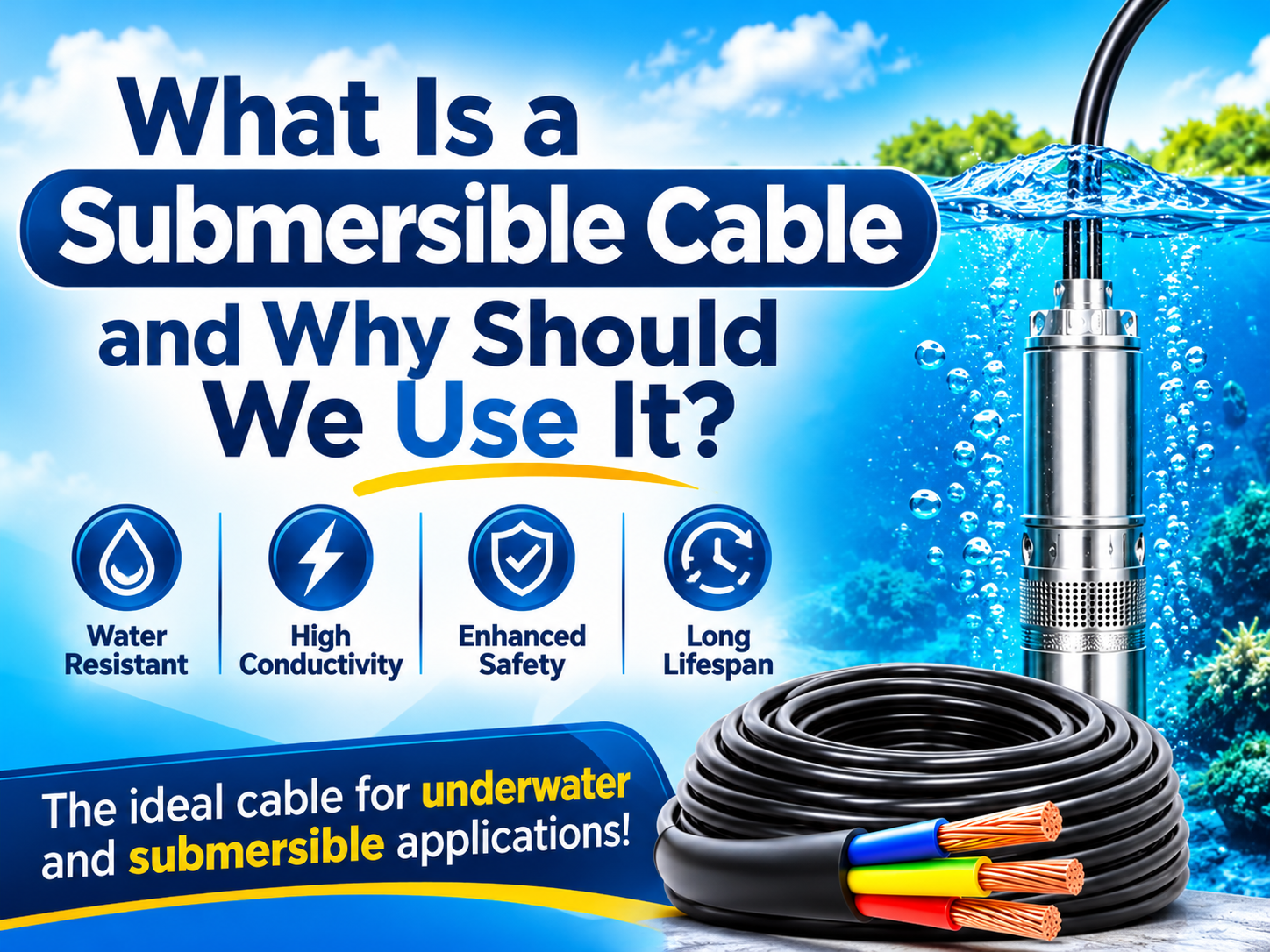
A submersible cable is an electrical cable made for use with machines that function in watery environments as long as the cable is suitable for that environment. It transmits electric power to the motor that it is attached to. The insulation and the covering of the cable play a role in the protection of the wires in the cable from moisture and other effects of the installation.
Submersible cables are made using copper wires due to the efficiency of copper to transmit electric power. Insulation and the outer cover of the submersible cables may differ from one type to another depending on their applications. They may either be flat or cylindrical. This depends on the machine being installed, space and the conditions where the cable is to operate.
Where Are Submersible Cables Used?
Borewell and Deep-Well Pumps
Cables are used to link the motors of deep-well pump systems to their sources of electricity. They should fit the depth of installation, the amount of electric load required, and the working condition. This is particularly so if the cable spans a longer distance.
Agricultural Water Systems
Farms employ submersible pumps to extract water for irrigation and other farming activities. A proper cable will ensure that there is an adequate supply of electricity to the pump during its normal operations. The cable should also be suited to the requirements of the pump and its surroundings.
Water Supply in Buildings
Houses, office blocks, and business premises can have submersible pumps used to transport water from below-ground storage tanks or boreholes. The cable should fit the pump and its environment.
Industrial Pumping Equipment
Factories and industrial plants might have pumps employed for the movement of water or any suitable liquid. At such places, the buyer should consider the resistance level of the cable and its electrical rating before buying.
Important Features to Check Before Buying
Insulation That Matches the Environment
Insulation material should be able to resist the environmental factors such as water, heat, etc. A cable that is fit for occasional wet conditions might not be right for an underwater installation. It is essential always to look at what the manufacturer says about the application.
Correct Current-Carrying Capacity
It is vital that a cable has conductors whose sizes are appropriate enough to handle the current drawn by the motor without overheating the cable. In case the size of the conductor is smaller, the cable will suffer more from resistance and higher voltage drop.
Protection Against Physical Wear
A cable will have to withstand rubbing, bending, and pulling when installing it. The cable design should be appropriate for these conditions. But it should not support the weight of the pump unless specified otherwise by the system installation method.
Long-Term Electrical Performance
Proper selection of the cable goes a long way in ensuring that the power is supplied properly.
Why Should We Use a Submersible Cable?
The key point why a submersible cable should be used is to make sure that electrical equipment operates properly under circumstances where standard cable can be insufficiently equipped. Right cable selection will ensure proper functioning of your equipment.
- Enhanced suitability for wet conditions: The right product ensures that the cable insulation suits the expected conditions of use.
- Stability of voltage supply: Appropriate size of conductors will facilitate minimizing voltage loss and will allow the motor to perform properly.
- Easy installation: Appropriate cables will make installation through wells and tanks convenient.
- Minimization of avoidable faults: Appropriate product and its correct installation will eliminate the potential risk of faulty insulation or inadequate conductors.
- Facilitation of regular usage of pumps: Correctly installed cable allows minimizing potential problems due to inappropriate cable functioning.
How to Select a Suitable Product from Cable Suppliers
In making comparisons of Submersible Cables Manufacturers, consumers must consider more than just the price of the cables. It is advisable to ask for technical details of the products, including the conductor material, cross-section area, insulation material, voltage level, operating temperatures, and other product standards.
Submersible Cables Compared with Other Electrical Cables
Different cables serve different purposes. Their appearance alone does not tell you whether they can be used in the same installation.
|
Cable type
|
Main use
|
Important point
|
|
Submersible cable
|
Connecting suitable underwater pump equipment
|
Must have ratings suited to water exposure and the installation
|
|
House wiring cable
|
Fixed electrical wiring in homes and buildings
|
Should not be used underwater unless specifically rated for that purpose
|
|
Automotive Battery Cable
|
Carrying high current in vehicle electrical systems
|
Must not be assumed suitable for continuous underwater use
|
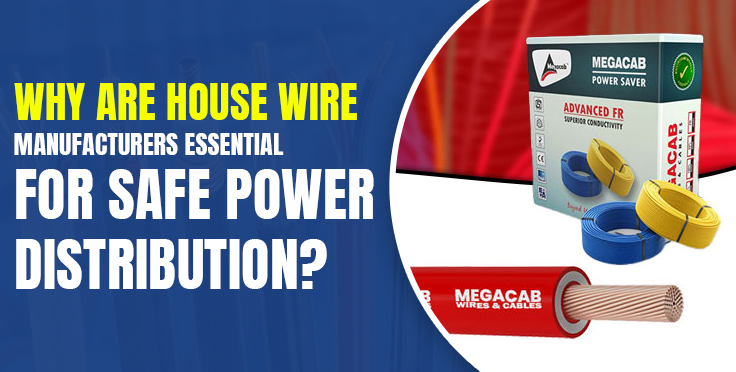
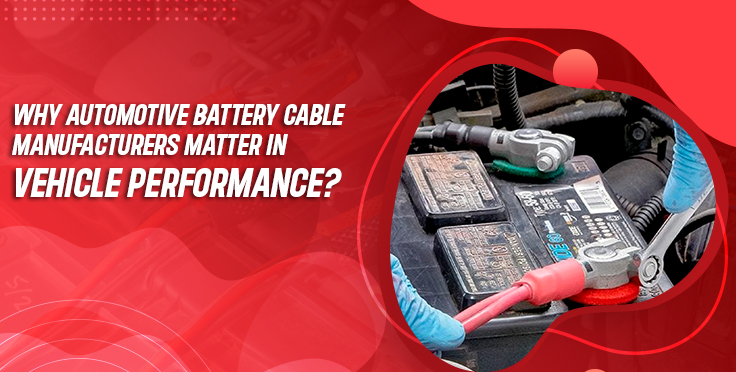
House Wire Manufacturers will produce items to be used for building wiring applications wherein the installation standards are different compared to the ones needed for the pump system that operates underwater. The Automotive Battery Cable is manufactured to handle vehicle electrical applications like batteries and starters. Though it is flexible and high amperage, its design may not be suitable for use in the pump. It is best to use a cable intended for the specific application.
Common Mistakes to Avoid
Buyers should never select a cable based on price alone or even the thickness of the conductors. They must not overlook the cable length, current in the motor, insulation rating, or the setting in which the cable will be installed. The danger of using standard wiring in a wet environment exists when the item was not made for such purposes.
One other frequent error is the thought that all submersible cables are appropriate for all pumps. Buyers must compare specifications of the cable with the requirements of the pump manufacturer.
Frequently Asked Questions
Can submersible cables be submerged?
Use cables which are specified for such underwater conditions only. Refer to the manufacturer’s instructions to know the allowable depth and operating condition.
Is there any difference in the material of submersible cables? All the submersible cables are made of copper only.
There are other types of conductors used in submersible cables. Check the specifications and find out the material of the cable and its suitability for the required load.
Can I use a normal house wire for the borewell pump?
Normal house wire cannot be used for the installation of an underwater pump if it does not have the required ratings for such application. Use suitable pump cable instead.
What factors influence the decision on the appropriate cable size?
It depends on the current, voltage, power rating of the motor, cable length and starting conditions, installation technique and many others.
What questions should I ask when choosing a cable from Neon Cables?
Find out what type of cable is available, conductor size, insulation, voltage, purpose and standards for such cable.
Conclusion
Before purchasing any cables, make sure to do the proper calculation and choose the appropriate cable size and consult the instructions of the manufacturer. Neon Cables can be chosen as one of the options during cable selection for electrical application, provided that the required specifications are confirmed.